

Anthocyanin market seen reaching $1 billion by 2033
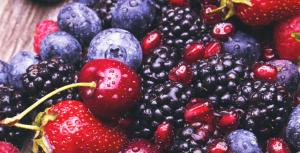
By AI, Created 7:05 AM UTC, May 26, 2026, /AGP/ – The global anthocyanin market is projected to rise from $0.7 billion in 2026 to $1.0 billion by 2033 as demand grows for natural pigments and clean-label ingredients. Food, beverage and nutraceutical makers are driving adoption, while stability challenges and raw material volatility remain key hurdles.
Why it matters: - Anthocyanins are gaining share as food, beverage, nutraceutical, pharmaceutical and personal care makers replace synthetic dyes with plant-based colorants. - The shift reflects broader consumer demand for clean-label products and ingredients linked to antioxidant, anti-inflammatory and anti-aging benefits. - Market growth matters for suppliers because anthocyanins are expanding beyond color use into functional formulations and preventive health products.
What happened: - The global anthocyanin market was valued at $0.7 billion in 2026. - The market is projected to reach $1.0 billion by 2033. - The forecast implies a 4.5% compound annual growth rate during the period. - Europe held about 42% of the market in 2026. - Asia Pacific is the fastest-growing regional market. - North America is growing steadily.
The details: - Food and beverage is the largest application segment. - Beverage, bakery, confectionery and dairy makers are using anthocyanins as natural colorants and functional ingredients. - Nutraceutical use is expanding as brands add antioxidant-rich supplements, fortified foods and preventive health solutions. - Cosmetic and pharmaceutical applications are also growing. - Key product sources include fruits, vegetables, flowers, legumes and cereals. - Major market segments also include animal feed. - Extraction and purification advances, including microencapsulation, are improving stability and widening application options. - Supercritical fluid extraction and enzymatic processing are also supporting higher yield and purity. - Leading companies in the market include Sensient Technologies, Givaudan, Chr Hansen and ADM.
Between the lines: - The market is benefiting from a structural move toward natural ingredients, not just a short-term consumer trend. - Anthocyanin suppliers that can improve color stability may gain an edge because the pigments are sensitive to pH, temperature and light. - Seasonality in raw materials and supply chain complexity can pressure pricing and availability, which raises the value of sourcing and storage capabilities. - The market remains moderately fragmented, so partnerships, acquisitions and research collaborations are likely to stay important.
What’s next: - Manufacturers are expected to keep reformulating products around clean-label and wellness claims. - Nutraceutical, cosmetic and pharmaceutical uses are likely to expand as stabilization technologies improve. - Emerging opportunities include animal feed, bioplastics and sustainable natural dyes. - Collaboration between industry and research institutions is expected to accelerate commercialization. - More information is available in the free sample report, custom insights request and complete market report.
The bottom line: - Anthocyanin demand is rising because food and health brands want natural color, functional benefits and cleaner labels, but long-term winners will be the companies that solve stability and supply challenges.
Disclaimer: This article was produced by AGP Wire with the assistance of artificial intelligence based on original source content and has been refined to improve clarity, structure, and readability. This content is provided on an “as is” basis. While care has been taken in its preparation, it may contain inaccuracies or omissions, and readers should consult the original source and independently verify key information where appropriate. This content is for informational purposes only and does not constitute legal, financial, investment, or other professional advice.
Sign up for:
Medical Industry Today
The daily local news briefing you can trust. Every day. Subscribe now.
Check Your Email!
We sent a one-time activation link to: .
Confirm it's you by clicking the email link.
If the email is not in your inbox, check spam or try again.
Welcome back!
is already signed up. Check your inbox for updates.