

The Brookbush Institute Publishes a NEW Article: 'Circuit Training for Hypertrophy, Strength, and Power'
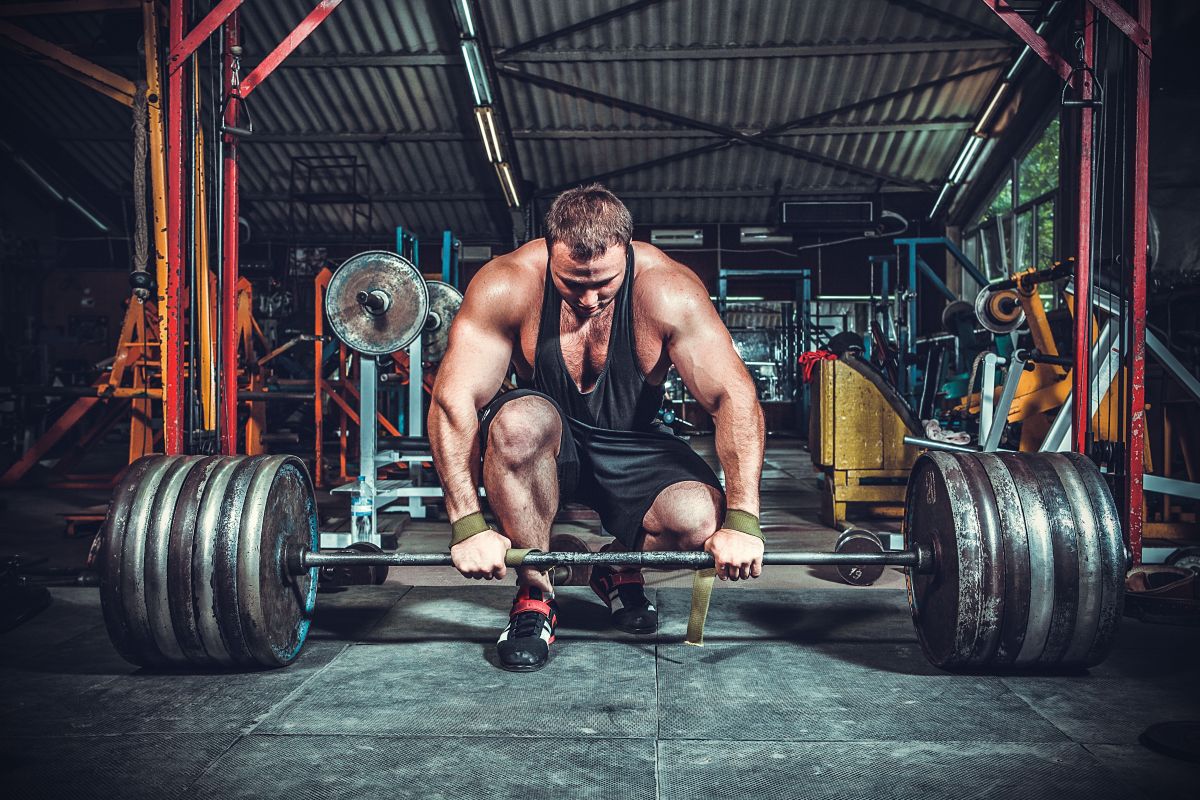
Circuit Training for Hypertrophy, Strength, and Power? - https://brookbushinstitute.com/articles/circuit-training-for-hypertrophy-strength-and-power
The Brookbush Institute continues to enhance education with new articles, new courses, a modern glossary, an AI Tutor, and a client program generator.
- Additional Article: Femur Length and Squat Form
- Related Article: Squat Depth Recommendations: Based on All Available Research
INTRODUCTION:
Circuit training should be adopted for nearly all resistance training goals.
Before assuming that this recommendation reflects a general preference for circuit training, readers are encouraged to review the remainder of the article. This recommendation was developed following a thorough review of research on circuit training, rest between sets, and their effects on hypertrophy, strength, and power. Circuit training is not recommended because it does not necessarily result in greater muscle growth, strength gains, or power improvements. In this case, the primary advantage is time efficiency, and a substantial one at that. If the time saved is used to add more beneficial exercise, performance may improve further and could help achieve a personal record (PR). However, individuals who prefer the slower pace of conventional training may continue to train that way, as it does not appear to confer a relative disadvantage beyond requiring more total training time. Exercise should be enjoyable, and the goal is for individuals to value both their results and the training process.
Another important point is that this recommendation is not all-or-none. Portions of a routine may be performed in circuit format to reduce session time, for example, the activation circuits recommended for corrective exercise, to increase volume within a session, for example, compound lifts performed conventionally and ancillary lifts performed in a circuit, or to accommodate scheduling constraints, for example, athletes performing lower body sessions in circuit format and upper body sessions conventionally on time-limited days.
It should also be noted that several details should be considered when optimizing circuit training for hypertrophy, strength, and power. Further, an annotated bibliography has been included with this article so that readers may draw their own conclusions about the research. See the details below.
Brookbush Institute Evidence-based Recommendation...
CHECK OUT THE REST OF THE ARTICLE BY FOLLOWING THE LINK
Brent Brookbush
Brookbush Institute
Support@BrookbushInstitute.com
Visit us on social media:
LinkedIn
Instagram
Facebook
YouTube
TikTok
X
Other
Legal Disclaimer:
EIN Presswire provides this news content "as is" without warranty of any kind. We do not accept any responsibility or liability for the accuracy, content, images, videos, licenses, completeness, legality, or reliability of the information contained in this article. If you have any complaints or copyright issues related to this article, kindly contact the author above.
