

Bringing you the latest news on healthcare and wellness
Provided by AGP
Accurate Quantification of Bacterial Endotoxins Using BETMAT’s Kinetic Chromogenic LAL Assay
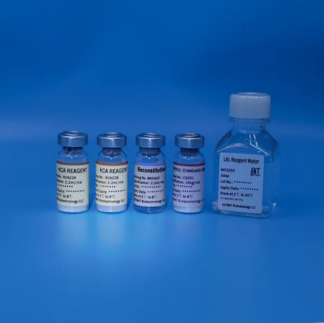
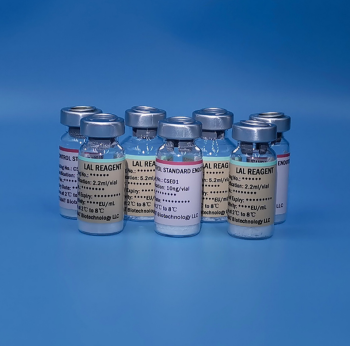
The assay employs automated spectrophotometric detection to monitor the real-time rate of absorbance increase at 405 nm, and the endotoxin concentration is quantitatively calculated by comparing the reaction rate with a pre-calibrated standard curve. This kinetic detection mode avoids the limitations of endpoint detection, enabling continuous monitoring of the enzymatic reaction throughout the incubation period and ensuring high sensitivity and precision for trace endotoxin quantification. Bacterial endotoxins are potent pyrogens that pose severe threats to human health and product safety, especially in highly regulated industries such as pharmaceuticals, medical devices, and biotechnology. Even trace amounts of endotoxins can induce febrile reactions, inflammation, septic shock, or even death, making accurate endotoxin quantification a mandatory requirement for product batch release worldwide. BETMAT’s Kinetic Chromogenic LAL Assay has established itself as the compendial standard for endotoxin testing, with superior performance and comprehensive regulatory compliance as its core competitive pillars—two critical elements that directly address the stringent demands of regulated industries and ensure reliable, defensible test results.
Superior Performance Benchmarks
In terms of performance, BETMAT’s Kinetic Chromogenic LAL Assay exceeds global pharmacopeial requirements and outperforms conventional testing methods by a significant margin, setting a new benchmark for endotoxin quantification. It boasts an ultra-high sensitivity of 0.005 EU/mL, which is far lower than the detection limits of most standard assays and even surpasses the strict requirements of major regulatory bodies, ensuring that even trace endotoxin contaminants (which may be overlooked by traditional methods) are reliably detected and quantified. This exceptional sensitivity is enabled by the assay’s optimized kinetic detection system, which continuously monitors the enzymatic reaction between LAL and endotoxins, eliminating the oversight of trace contaminants that plagues endpoint-based methods. Additionally, the assay delivers outstanding precision and reproducibility. This minimizes inter-assay and intra-assay variability, ensuring consistent and reliable results for quality control (QC) laboratories. The assay also features a wide dynamic range of 0.005–5 EU/mL, allowing for accurate quantification of endotoxins in both low-concentration samples (e.g., injectable drugs, vaccines) and high-concentration samples (e.g., industrial process waters), eliminating the need for excessive sample dilution and reducing the risk of matrix interference—a common and costly challenge in endotoxin testing. Furthermore, the assay undergoes rigorous validation in accordance with USP85 regulation, including linearity (R² > 0.980), precision, accuracy, and specificity testing, ensuring its performance is consistent, reliable, and defensible for regulatory submissions and inspections.
Global Regulatory Compliance
Regulatory compliance is deeply embedded in every aspect of BETMAT’s Kinetic Chromogenic LAL Assay, designed to facilitate seamless market access for manufacturers worldwide and mitigate regulatory risks. The assay fully complies with all key global pharmacopeial standards, including the United States Pharmacopeia (USP) <85>, European Pharmacopoeia (EP) 2.6.14, and Japanese Pharmacopoeia (JP) 4.01—standards that have been harmonized through ICH Q4B guidelines to ensure consistency across global markets.
To meet the latest mandatory electronic data traceability requirements, the assay is equipped with integrated software that automates data collection, management, and reporting, ensuring full auditability of every step—from raw absorbance values to final endotoxin concentrations. This software also supports compliance with Good Manufacturing Practices (GMP) by maintaining comprehensive records of all testing procedures, which is critical for regulatory inspections and batch release decisions. Furthermore, the assay is designed to facilitate inhibition/enhancement testing as required by compendial guidelines, ensuring that sample matrices do not interfere with test results and that endotoxin recovery rates fall within the acceptable 50%–200% range. This compliance-centric design eliminates regulatory barriers, streamlines QC workflows, and provides manufacturers with the confidence to meet global regulatory requirements efficiently.
Compared to the traditional gel clot LAL assay, BETMAT’s Kinetic Chromogenic LAL Assay offers irreplaceable advantages in quantitative endotoxin detection, addressing the inherent limitations of qualitative and semi-quantitative methods. The gel clot assay is a qualitative method that only indicates whether endotoxin concentrations exceed a predefined threshold, providing no information on the exact concentration—which is critical for meeting strict regulatory limits (e.g., 0.25 EU/mL for injectable drugs, 0.2 EU/kg for intrathecal products). In contrast, BETMAT’s kinetic chromogenic assay delivers precise quantitative results, allowing manufacturers to not only verify compliance but also monitor endotoxin levels throughout the production process, enabling proactive QC and process optimization. For example, if endotoxin levels are found to be increasing in intermediate products, manufacturers can identify and address contamination sources early, preventing costly batch failures and ensuring patient safety.
Another key advantage is the kinetic chromogenic assay’s strong resistance to matrix interference, a major flaw of the gel clot method. The gel clot assay is highly susceptible to interference from sample matrices (e.g., proteins, buffers, antibiotics, lipid nanoparticles), which can inhibit or enhance the clotting reaction, leading to false-positive or false-negative results. This requires extensive sample dilution and interference testing, increasing workflow complexity, testing time, and the risk of human error. BETMAT’s assay minimizes matrix interference through optimized reagent formulation and kinetic detection, ensuring accurate results even for complex pharmaceutical samples such as biologics, vaccines, and monoclonal antibodies—without the need for excessive dilution. Additionally, the gel clot assay relies on subjective visual interpretation of clot formation, which is prone to human error, especially when clot formation is weak or ambiguous. The kinetic chromogenic assay, by contrast, uses automated spectrophotometric detection and software-driven data analysis, eliminating subjectivity and ensuring objective, reliable results with minimal human intervention. Efficiency is another critical advantage: the gel clot assay is labor-intensive, requiring manual reagent preparation, sample pipetting, and visual interpretation, with a typical testing time of 60–90 minutes per sample. BETMAT’s assay, compatible with 96-well microplates and automated microplate readers (e.g., BETMAT’s Endotoxin Reader BETPro96X), enables high-throughput testing of up to 96 samples simultaneously, reducing testing time to 30–45 minutes per batch and cutting labor costs significantly. These advantages make the kinetic chromogenic assay the preferred choice for modern QC laboratories seeking efficiency, accuracy, and reliability.
Diverse Market Applications
BETMAT’s Kinetic Chromogenic LAL Assay has wide-ranging market applications, with the pharmaceutical industry as its primary focus—where accurate endotoxin quantification is directly tied to patient safety, regulatory compliance, and brand reputation. In pharmaceutical manufacturing, the assay is extensively used for testing all types of injectable drugs, covering every stage of production from raw materials to final products. For small-molecule injectables (e.g., antibiotics, analgesics), the assay ensures that endotoxin levels are below the strict limits defined by pharmacopeias (calculated as L = K/m, where K is the threshold pyrogenic dose per kg body weight and m is the maximum dose per kg per hour). For biologics, including monoclonal antibodies, recombinant proteins, and vaccines, the assay’s high sensitivity and resistance to matrix interference make it ideal for testing complex samples, where traditional methods may fail to deliver accurate results. For example, a global pharmaceutical company producing recombinant insulin relied on the gel clot method for batch release testing, which frequently produced ambiguous results (partial batches required retesting) due to matrix interference from insulin’s protein matrix. After switching to BETMAT’s Kinetic Chromogenic LAL Assay, retest rates dropped much, testing time per batch was reduced from 90 minutes to 40 minutes, and the assay consistently detected endotoxin levels as low as 0.01 EU/mL—well below USP’s 0.25 EU/mL limit for injectable insulin. This not only improved QC efficiency but also reduced the risk of non-compliance and batch failures.
Beyond injectable drugs, the assay is also widely used in testing active pharmaceutical ingredients (APIs), parenteral nutrition products, and pharmaceutical excipients, ensuring that all raw materials and intermediate products meet endotoxin limits. In the medical device industry, the assay is used to test endotoxin levels in sterile devices (e.g., catheters, implants, dialysis equipment), refer to standards such as USP <161> and FDA/AAMI guidelines. It also finds applications in the biotech industry for testing cell culture media, fermentation broths, and bioprocessing materials, where endotoxin contamination can compromise cell viability and product quality. Additionally, the assay is used in environmental monitoring (e.g., testing process waters in pharmaceutical facilities) and academic research, further expanding its market reach. However, its most impactful application remains in the pharmaceutical industry, where it serves as a critical tool for ensuring patient safety and regulatory compliance in the production of life-saving injectable products.
To learn more about optimizing your endotoxin detection protocols or to access detailed application notes on overcoming matrix interference, visit the official website: https://www.betmatbio.com/
BETMAT BIOTECHNOLOGY LLC
BETMAT BIOTECHNOLOGY LLC
+86 18101764785
sales@betmatbio.com
Legal Disclaimer:
EIN Presswire provides this news content "as is" without warranty of any kind. We do not accept any responsibility or liability for the accuracy, content, images, videos, licenses, completeness, legality, or reliability of the information contained in this article. If you have any complaints or copyright issues related to this article, kindly contact the author above.
